Concussion
Concussions are mild traumatic brain injuries (TBI). This injury affects how the brain works and can lead to body-wide side effects.
Concussions can happen even when a child never loses consciousness. And sometimes even when an injury seems mild.
What Is a Concussion?
A concussion is caused by the brain moving inside of the skull. This can cause damage to the cells that make up the brain. What’s challenging about this type of injury is that it can’t be seen on normal imaging.
While many patients’ families want a CT scan done, most of the time that isn’t helpful. More than 90% of concussions will not be visible on CT.
What Causes a Concussion?
Any jolt or movement where the brain and skull move at different speeds can cause a concussion. Nearly half of pediatric concussions are related to sports or other athletic activity.
The other half are made up of falls, motor vehicle collisions, and household accidents.
Symptoms of a Concussion
Concussion symptoms can vary significantly. But what is consistent is that there’s a distinct shift after injury. While almost all people with concussion will get a headache, some won’t. Sometimes, the person affected may not even notice they’re behaving differently.
Symptoms they may notice:
- Headache
- Sensitivity to light or noise
- Tiredness
- Trouble thinking (including concentrating or remembering)
- Nausea
- Feeling dizzy
- Trouble seeing
What others may notice:
- Personality changes
- Seeming frustrated
- Answers questions slowly
For children who are preverbal or nonverbal, these symptoms are the same, but how they’re shown may be different. A baby might be unusually fussy and refuse to eat. Or they may cry in response to light or noise.
In children who cannot communicate symptoms easily, visiting a doctor may be needed.
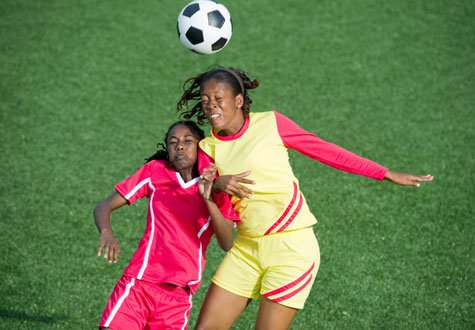
Sports Concussions
For concussions related to sports injuries, and where the question of when return to play might be safe, our sports concussion clinic provides a multidisciplinary care experience.
Diagnosing Concussions
Because concussions cannot be seen on imaging and there’s no conclusive test, doctors have to ask questions and assess how a child is able to respond. This includes things like testing your child’s balance or observing how their eyes respond to light.
During these tests, your provider will also be assessing if there’s a possibility of a more severe brain injury or if imaging is needed.
Concussion Treatment
Most concussions are self-limiting, and kids can be allowed to do any activities they don’t find painful. While most symptoms should resolve in a few days, it’s not abnormal for them to take up to 4 weeks to resolve.
If there are cognitive problems that require school accommodations, a doctor can help with a return-to-class plan.
Likewise, it’s important that kids with concussions avoid any activities where they could get hit again. For kids involved in athletics, that means a back-to-play plan.
Post-Concussion Symptoms
If it has been a month since your child was concussed and they’re still experiencing symptoms that are related to the concussion, they should be reevaluated by a doctor.