Tuberous Sclerosis in Children
Make an Appointment
Learning that your child has tuberous sclerosis complex (TSC) can be overwhelming, especially if you have never heard of the condition before.
At UVA Health Children's, our specialists have extensive experience caring for children with TSC. We bring together the experts your child may need and monitor their health as they grow, helping identify and treat problems early.
What Is TSC?
TSC is a genetic condition that can cause noncancerous tumors, called hamartomas, to develop in different parts of the body. These growths can affect the brain, kidneys, heart, skin, eyes and lungs.
The effects of TSC vary widely from child to child, but with the right care and monitoring, many children with TSC can lead active, fulfilling lives.
What to Expect After a TSC Diagnosis
TSC can be diagnosed before birth, in infancy, or later in childhood. Some babies are diagnosed after a prenatal ultrasound shows a heart tumor, called a cardiac rhabdomyoma. These tumors often become smaller or disappear as a child grows.
Other children may first be diagnosed because of seizures, developmental differences or findings on brain imaging.
Every child with TSC is different. Some children have few or no noticeable symptoms, while others have significant epilepsy, developmental delays, intellectual disability, or autism. Your child's doctors will evaluate how TSC is affecting them and create a care plan based on their individual needs.
What Causes Tuberous Sclerosis Complex?
TSC is caused by a change, or mutation, in the TSC1 or TSC2 gene. These genes normally help control how cells grow and divide. When one of these genes does not work properly, cells can grow and form tumors in different organs.
Most children with TSC are the first person in their family to have the condition. This happens because of a new genetic change that occurs during development. TSC can also be inherited from a parent. When a parent has TSC, there is a 50% chance with each pregnancy of passing the condition to their child.
Our genetic counselors can help your family understand genetic testing, what your child's diagnosis means for relatives and whether other family members should be evaluated.
Treating Tuberous Sclerosis in Children
There is currently no cure for TSC, but treatments can control many of its effects and prevent or reduce complications. Because TSC can affect multiple organs, your child's care may involve several specialists working together.
Treatment may include:
- Medications to control seizures or slow the growth of certain TSC-related tumors
- Epilepsy treatment, including specialized care for children with infantile spasms or drug-resistant seizures
- Surgery for certain tumors or seizures that do not respond to medication
- Kidney care to monitor and treat TSC-related kidney tumors
- Developmental therapies, including physical, occupational and speech therapy
- Behavioral and educational support for developmental differences, autism or learning difficulties
- Skin treatments, including topical medications or laser treatment for certain skin lesions
Your child's treatment plan will change as they grow. Our goal is to provide the right care at the right time while helping your family navigate each stage of childhood.
Why Your Child Needs a Whole Team
TSC can affect several organs, sometimes in ways that are not immediately noticeable. Regular screening allows doctors to identify changes early, before they cause serious problems.
Depending on your child's needs, their care team may include specialists in:
- Neurology and epilepsy
- Nephrology (kidney care)
- Developmental and behavioral pediatrics
- Cardiology
- Dermatology
- Ophthalmology
- Pulmonology
- Genetics
At UVA Health Children's, we coordinate this care so you don't have to manage every part of your child's TSC care on your own. When possible, multiple specialists can see your child during the same clinic visit, making ongoing care more convenient for your family.
Lifelong TSC Care at UVA Health Children's
TSC requires lifelong monitoring because its effects can change as your child grows. Regular evaluations and imaging can help doctors identify new problems or changes in existing tumors. Your child's care team will recommend screening based on their age, symptoms and individual risks.
Monitoring may include:
- Imaging to monitor tumors and changes in affected organs
- Brain and kidney imaging
- Tests to monitor kidney function and blood pressure
- Eye examinations
- Evaluation of seizures and brain activity
- Developmental, behavioral and learning assessments
- Medication when needed
- Surgery or other procedures when appropriate
As your child approaches adulthood, we can help coordinate the transition to adult specialists so they continue to receive consistent care.
Advances in Tuberous Sclerosis Treatment
Research has led to important advances in the treatment of TSC. Targeted medicines can slow the growth of certain TSC-related tumors, and several medications are available to treat TSC-associated seizures. Specialized epilepsy treatments, including surgery for carefully selected children, can help children whose seizures do not respond to medication.
Because our understanding of TSC continues to evolve, your child's care team stays current with advances in diagnosis, monitoring and treatment. Our goal is not only to treat complications when they occur, but to identify risks early and help your child reach their full potential.
Support for Your Family
A TSC diagnosis affects the whole family. You may have questions about your child's health, development, future or the possibility that other family members could have TSC. Genetic counselors, social workers and other members of your child's care team can help you understand the diagnosis and find resources for your family.
The TSC Alliance offers educational resources, community support and opportunities to connect with other families affected by TSC. The organization also maintains a network of TSC Clinics and offers a Community Support Network that can connect families with trained volunteers. Families can also find social media communities for sharing questions and experiences with others affected by TSC.
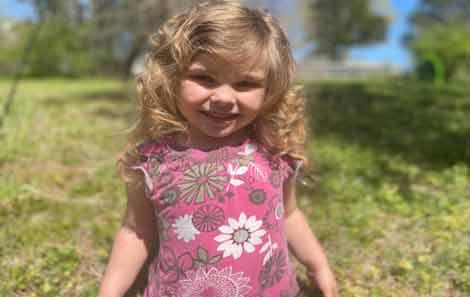
Remarkable Cure for Seizures
For Ava, no medications could stop her seizures caused by tuberous sclerosis. But after brain surgery, Ava went from 20 to 0 seizures a day.
TSC Treatment
While there is no cure for tuberous sclerosis, a designated Tuberous Sclerosis Alliance Center of Excellence like UVA Health Children's provides targeted treatments and multidisciplinary care for patients of all ages.
Erika Axeen, MD: Tuberous sclerosis is a genetic disorder that affects multiple parts of the body. Children or adults can have tuberous sclerosis, and it will affect them for their entire life.
Axeen: Tuberous sclerosis can be diagnosed in any age. It can actually be suspected prenatally, but often is diagnosed after birth, and because the clinical signs of tuberous sclerosis vary by age, we have to be looking for different things at each age. The problems that little babies face is quite different than what an adult might face.
Axeen: In babies, we have to make sure we look closely at their heart, at their skin. All babies with suspected tuberous sclerosis should have a scan of their brain and have their eyes looked at. This is different than adults, where it may impact their lungs and their kidneys to a greater degree than what we see in little kids.
Axeen: While there's no cure for tuberous sclerosis, there are some targeted treatments that we now are able to use. Here at UVA, we're proud to be one of the tuberous sclerosis Alliance Centers of Excellence. What this means is that we're able to provide multidisciplinary care for children with tuberous sclerosis. They're going to be able to see a neurologist, a developmental pediatrician, and a renal doctor all on one day. We also are able to get all the appropriate scans and the surveillance that's needed and recommended by the Tuberous Sclerosis Alliance. It's a disorder that's complicated, and we don't want to miss the complications of tuberous sclerosis, so every child with tuberous sclerosis deserves to be seen in a Center of Excellence.

Nationally Ranked Neurology & Neurosurgery Care
Our pediatric neurology and neurosurgery program has been ranked by U.S. News & World Report as one of the best in the nation. This ranking reflects our commitment to improving the lives of children with neurological disorders and advancing treatment options that improve outcomes.